Can You Put Hot Thanksgiving Leftovers Straight in the Fridge?
Key Takeaways
- Yes, you can put hot food straight into the refrigerator without waiting for it to reach room temperature, as modern appliances handle warm items safely.
- Perishable foods must never sit in the temperature danger zone for more than two hours, or one hour if the ambient temperature exceeds 90°F (32°C).
- Divide large portions into shallow containers no more than 2 to 4 inches deep to ensure rapid cooling and prevent bacterial growth.
- Cooked Thanksgiving leftovers remain safe in the refrigerator for 3 to 4 days at 40°F (4°C) or below, and must be reheated to 165°F (74°C).
Table of Contents
Yes, you can put hot Thanksgiving leftovers straight into the fridge without letting them cool completely on the counter first. According to guidelines from the United States Department of Agriculture and the Food and Drug Administration, leaving hot food out at room temperature creates a major food safety risk and invites bacterial contamination.
The Truth About Putting Hot Food in the Refrigerator
A widespread kitchen myth suggests that placing a hot dish into a refrigerator will cause the appliance to break down, strain the compressor, or spoil neighboring foods due to ambient heat. However, modern refrigerators are engineered to handle warm items safely. In fact, leaving perishable items out on the counter to cool is far more dangerous because it exposes food to harmful bacteria for extended periods.
The primary concern is the "Temperature Danger Zone." The USDA defines this range as 40°F to 140°F (4°C to 60°C), while the FDA Food Code defines it as 41°F to 135°F (5°C to 57°C). Within this window, harmful bacteria can multiply, leading to rapid contamination and increasing the risk of foodborne illness. Understanding how to manage this zone is vital for holiday food safety.
Understanding the Two-Hour Rule for Leftovers
Perishable foods should never remain in the danger zone for an extended period. Per the USDA, perishable foods must be refrigerated within two hours of cooking or being removed from a heat source. If the ambient room temperature exceeds 90°F (32°C), this safety window drops to just one hour. Exceeding these time limits means the food should be discarded immediately to prevent illness.
The FDA Two-Stage Cooling Process
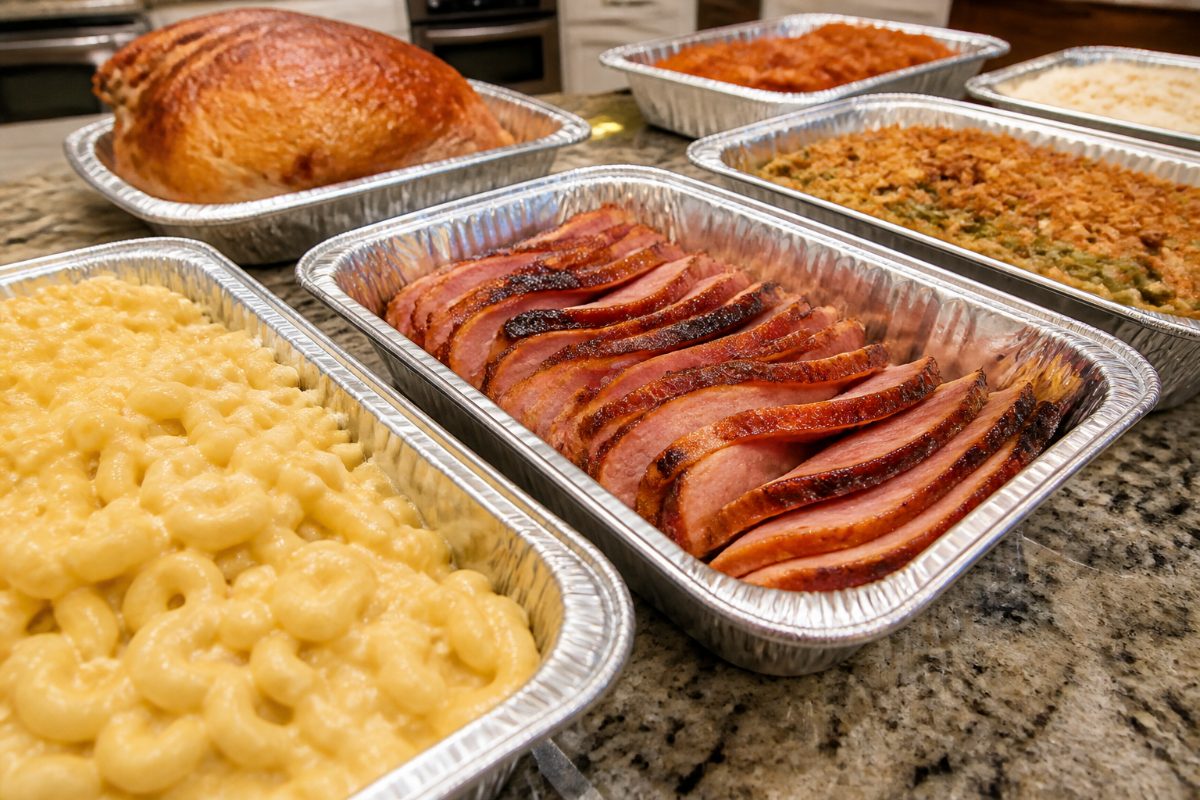
For large batches of holiday meals, the FDA Food Code outlines a strict two-stage cooling process to ensure food passes through the danger zone as quickly as possible:
- Cool food from 135°F (57°C) to 70°F (21°C) within the first 2 hours.
- Cool food from 70°F (21°C) down to 41°F (5°C) or below within the next 4 hours.
The total cooling time must not exceed six hours. If food fails to reach 70°F within the initial two hours, it must be reheated to 165°F (74°C) for 15 seconds and the cooling process restarted, or thrown away.
Best Methods to Cool Thanksgiving Leftovers Rapidly
Placing a massive, steaming stockpot of turkey soup or a deep casserole dish directly into the fridge can temporarily raise the internal temperature of the appliance, which might affect other items. To prevent this, use these practical steps to cool foods quickly before and during refrigeration:
- Use shallow containers: Divide thick foods into containers no more than 2 to 4 inches deep, and liquids into containers no more than 3 inches deep.
- Choose metal over plastic: Metal containers transfer heat much faster than plastic ones, accelerating the cooling process.
- Carve large meats: Cut large cuts of roasted turkey into smaller, thinner slices before storing them to release trapped heat.
- Utilize an ice bath: Place pots or pans of hot food into a larger sink filled with ice and cold water, stirring frequently to pull heat out.
- Leave lids loose: Keep containers loosely covered or uncovered during the initial cooling phase inside the fridge to let steam escape, provided they are safe from environmental contamination.
Refrigerator Storage and Safe Reheating Standards
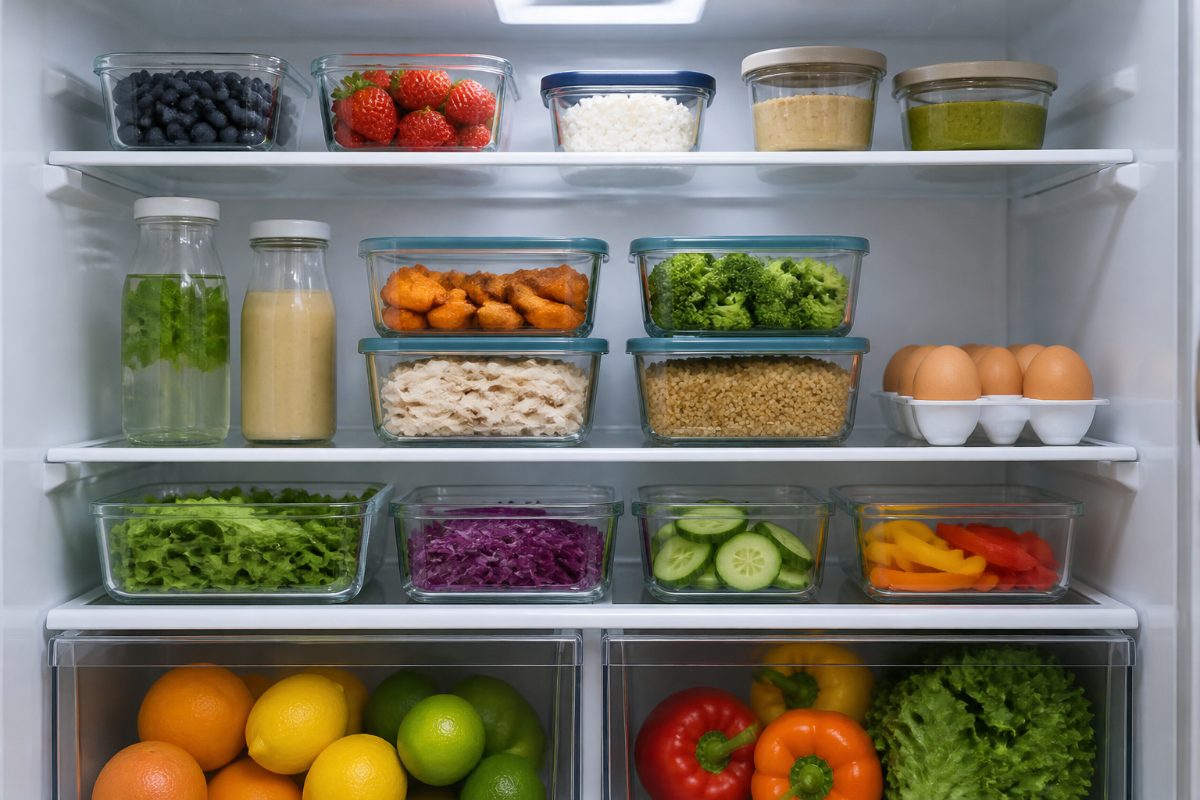
Maintaining the right appliance settings is essential for food preservation. Your refrigerator should always be set to maintain a temperature of 40°F (4°C) or below, and you should check official manufacturer instructions for freezer settings.
| Food Item | Refrigerator (40°F / 4°C or below) | Freezer Storage |
|---|---|---|
| Cooked Turkey and Meat | 3 to 4 days | Check official guidelines |
| Gravy and Broth | 1 to 2 days | Check official guidelines |
| Stuffing and Casseroles | 3 to 4 days | Check official guidelines |
| Mashed Potatoes | 3 to 4 days | Not recommended (texture changes) |
When you are ready to eat your stored meal, reheat all leftovers to an internal temperature of 165°F (74°C) using a clean food thermometer. For complex questions regarding poultry safety, you can contact the USDA Meat and Poultry Hotline at 1-888-674-6854, available Monday through Friday from 10 a.m. to 6 p.m. ET, and on Thanksgiving Day from 8 a.m. to 2 p.m. ET.
Frequently Asked Questions
Can I cool hot food outside on the porch during Thanksgiving?
No, you should never cool food outdoors. Outdoor temperatures fluctuate unpredictably, and leaving food outside exposes it to pests, wildlife, and environmental pathogens.
Why is dividing food into shallow containers so important?
Shallow containers increase the surface area exposed to cold air, allowing heat to dissipate rapidly so the food passes safely through the danger zone.
How many days can I keep Thanksgiving leftovers in the fridge?
Most cooked holiday leftovers remain safe to eat for 3 to 4 days when stored continuously at 40°F (4°C) or below.
What should I do if my leftovers sat out on the counter overnight?
If perishable foods remain in the temperature danger zone for more than two hours, you must discard them to avoid foodborne illness.
References
- Yes, You Can Put Hot Food in the Fridge. USDA Rules
- Refrigerating Hot Leftovers: Safety and Tips
- "Danger Zone" (40°F - 140°F) | Food Safety and Inspection Service
- Leftovers: Let’s Keep the Best Part of Thanksgiving Safe | Food Safety and Inspection Service
Information in this post was checked as of 2026-09-27. Policies and prices may change, so please verify important details with official sources.


Comments
Post a Comment