How Long Does Cooked Rice Last in the Fridge? USDA Guidelines
Key Takeaways
- Cooked rice lasts 3 to 4 days in the refrigerator when stored at or below 40°F (4°C).
- Refrigerate cooked rice within two hours of cooking to prevent harmful bacterial growth.
- Freezing cooked rice keeps it safe and maintains best quality for 1 to 2 months.
- Reheating rice does not destroy toxins already produced by Bacillus cereus bacteria.
- Store rice in shallow, airtight containers to speed up cooling and prevent moisture loss.
Table of Contents
Cooked rice lasts 3 to 4 days in the refrigerator when stored at or below 40°F (4°C), according to USDA FSIS and FoodKeeper guidance. In the freezer, cooked rice keeps for 1 to 2 months for best quality.
How Long Does Cooked Rice Last in Storage?
Knowing the exact shelf life of cooked and uncooked grains prevents food waste while keeping your kitchen safe. Different storage methods alter how long grains retain their texture and safety.
When dealing with leftovers, precision matters. The United States Department of Agriculture and the Food and Drug Administration emphasize that starchy foods require proper temperature control immediately after preparation. Uncooked grains like white rice and brown rice have a much longer shelf life in the pantry, lasting about 2 years and 1 year respectively when stored properly, but once water is introduced and cooking occurs, the clock starts ticking rapidly.
| Food Item | Refrigerator (40°F / 4°C) | Freezer (0°F / -18°C) | Pantry |
|---|---|---|---|
| Cooked Rice | 3 to 4 days | 1 to 2 months | Not applicable |
| Cooked Pasta | 3 to 4 days | 1 to 2 months | Not applicable |
| Cooked Quinoa, Barley, Farro | 3 to 4 days | 1 to 2 months | Not applicable |
| Uncooked White Rice | Not applicable | Not applicable | 2 years |
| Uncooked Brown Rice | Not applicable | Not applicable | 1 year |
Why Cooked Rice Requires Special Care: The Bacillus Cereus Risk
Cooked rice carries a specific food safety risk that most people underestimate: Bacillus cereus. This is a spore-forming bacterium naturally present in uncooked rice that survives the high temperatures of cooking.
When cooked rice sits at room temperature, these surviving spores can germinate and multiply rapidly. According to Banner Health and NC State University Extension, reheating the rice later will destroy living bacteria but will not neutralize toxins that have already formed. This means that if rice was mishandled before going into the refrigerator, simply heating it up in a microwave or on a stove will not save it from causing food-borne illness.
The same risk applies to other starches as well, including cooked pasta, quinoa, farro, and cooked potatoes. Regulatory bodies like the USDA, FDA, and university extension offices apply the same conservative safety thresholds across all of these cooked carbohydrate sources.
The Two-Hour Rule and Temperature Danger Zone
Bacteria multiply rapidly between 40°F (4°C) and 140°F, a temperature range the USDA calls the "danger zone." Perishable foods left in this range for more than two hours must be discarded.
If the kitchen or outdoor temperature is above 90°F, such as during an outdoor picnic or summer gathering, that window drops to just one hour. The two-hour clock starts the moment the rice leaves a heat source, whether it is a rice cooker, stovetop pot, or microwave.
Never leave leftovers sitting in a turned-off oven, rice cooker, or microwave overnight. Cooling must be executed systematically to prevent spores from activating.
Step-by-Step Guide to Cooling and Storing Rice Safely
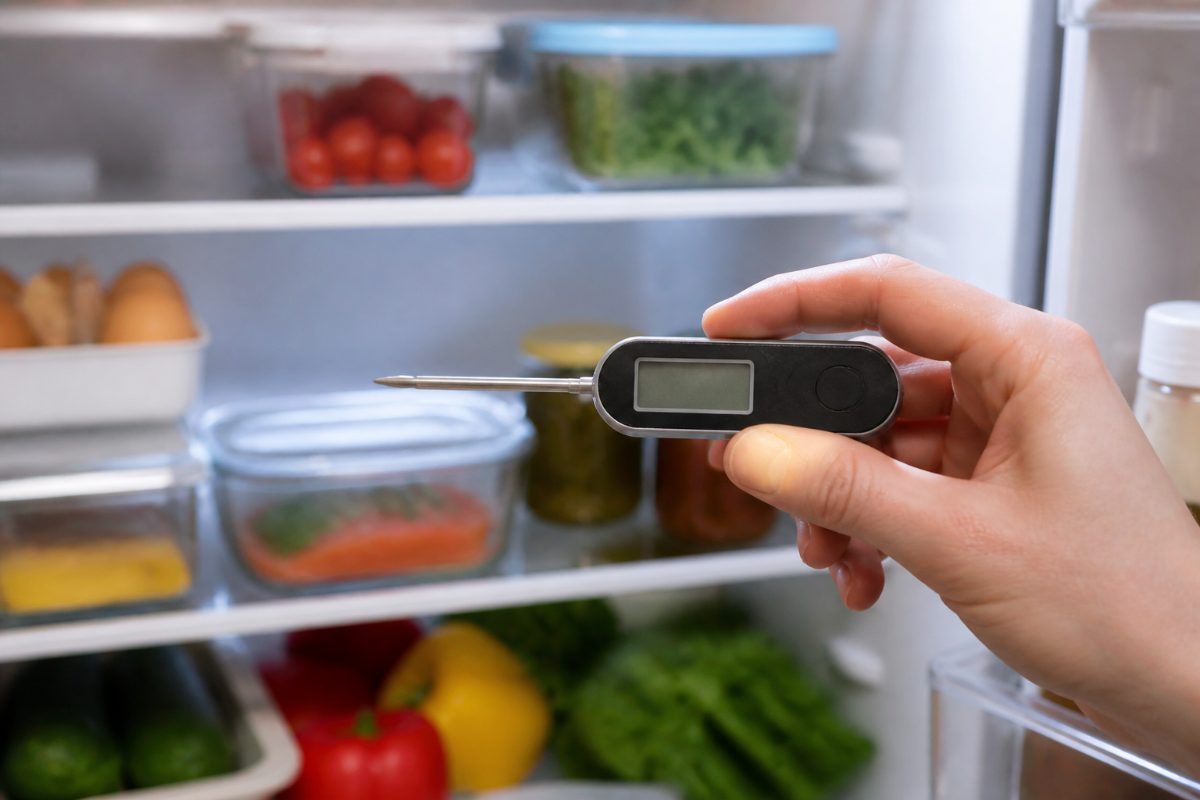
Proper cooling techniques protect your food from bacterial overgrowth before it even enters the refrigerator. According to guidance from the N.C. Cooperative Extension, the targets you want to hit are cooling food from 135°F down to 70°F within the first 2 hours, and then down to refrigeration temperature (41°F or lower) within 4 more hours. If it is not cooled to 70°F within those initial 2 hours, it needs to be discarded.
- Cool promptly: Never leave cooked rice out at room temperature or trapped in closed cooking appliances overnight.
- Use shallow containers: Transfer the hot rice into shallow, airtight containers so heat dissipates quickly across a broader surface area.
- Seal tightly: Snap the lid on securely after cooling to lock out moisture and prevent refrigerator odors from absorbing into the delicate starch.
- Label with dates: Write the preparation date on the container to track the 3 to 4 day window accurately.
How to Freeze and Reheat Cooked Rice
Freezing is a practical option if you cannot finish your leftovers within 3 or 4 days. Cooked rice freezes exceptionally well when handled correctly, remaining safe indefinitely at 0°F (-18°C), though maintaining best quality for 1 to 2 months.
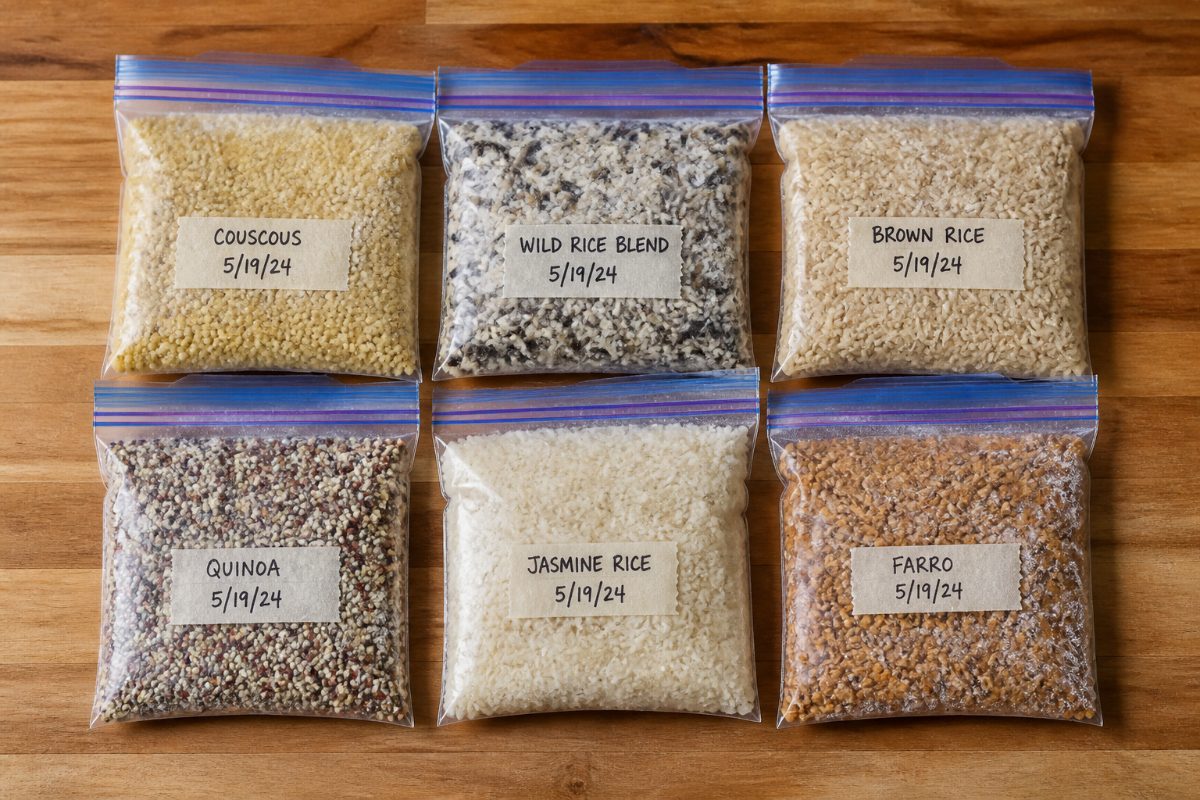
- Portion before freezing: Divide the cooled rice into meal-sized portions in freezer bags or freezer-safe containers before placing them in the freezer.
- Flatten bags: Flattening freezer bags allows for efficient stacking and much faster thawing later.
- Freeze immediately: Do not refrigerate rice for several days and then decide to freeze it; freeze it right after cooling if you know you will not eat it in time.
- Reheating safety: Reheat leftovers thoroughly until piping hot throughout, ensuring proper temperature distribution.
Frequently Asked Questions
Can I eat rice that has been in the fridge for 5 days?
The USDA recommends consuming cooked rice within 3 to 4 days when stored at or below 40°F. While rice kept for 5 days in a very cold refrigerator might look fine, it exceeds official safety timelines and increases exposure risks to bacterial toxins.
Does white rice last longer in the fridge than brown rice?
Both white and brown rice remain safe for 3 to 4 days in the refrigerator. However, brown rice contains a higher oil content from its outer bran layer, which can cause its texture and quality to degrade slightly faster, often pointing to a 2 to 3 day window for optimal texture.
What should I do if my rice sat out on the counter overnight?
You should discard any rice left at room temperature for more than two hours, or more than one hour if the ambient temperature was above 90°F. Reheating will not make spoiled rice safe to eat due to heat-stable toxins.
References
- USDA Food Shelf Life Chart: Fridge, Freezer & Pantry Times
- Resources
- Does Rice Go Bad? Shelf Life, Storage, and Fried Rice Warning | Better Living
- Safety of Leftover Rice - Brunswick County Center | N.C. Cooperative Extension
- Home Food Storage | UNL Food | Nebraska
- How Long Is Rice Good for in the Fridge?
- How Long Does Cooked Rice Last in the Fridge? | Reencle
Information in this post was checked as of 2026-09-28. Policies and prices may change, so please verify important details with official sources.


Comments
Post a Comment