What Temperature Should a Fridge Be for Thanksgiving Food?
Key Takeaways
- Keep your refrigerator at or below 40°F (4°C) to prevent rapid bacterial growth during the holidays.
- The danger zone spans from 40°F to 140°F, where harmful bacteria can double in number every 20 minutes.
- Thanksgiving leftovers remain safe for 3 to 4 days in the refrigerator when properly stored.
- Refrigerate perishable foods within 2 hours of cooking, or within 1 hour if the ambient temperature exceeds 90°F.
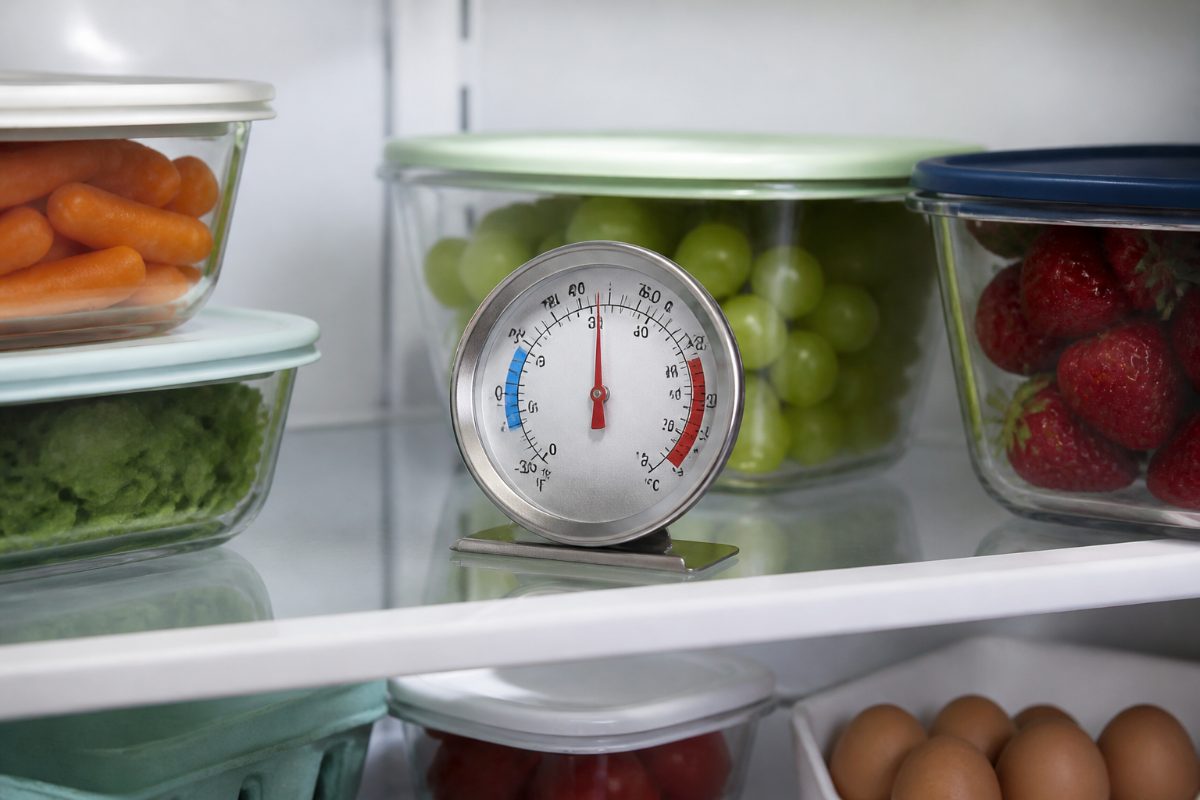
- Use a freestanding appliance thermometer in the center of the fridge rather than relying on built-in dials.
Table of Contents
- Why Refrigerator Temperature Matters for Thanksgiving Meals
- Understanding the Temperature Danger Zone
- Essential Temperature and Storage Guidelines Reference Table
- Step-by-Step Setup and Leftover Storage Procedure
- Common Misconceptions About Fridge Settings and Cooling
- Frequently Asked Questions
- Conclusion and Safety Summary
To keep Thanksgiving food safe, your refrigerator must be set at or below 40°F (4°C), and your freezer should be maintained at 0°F (-18°C) or below. Maintaining these exact temperatures slows down the metabolic rate and reproduction of harmful bacteria, protecting your family from foodborne illness during the holiday season.
Why Refrigerator Temperature Matters for Thanksgiving Meals
According to the FDA and USDA, keeping your refrigerator at or below 40°F (4°C) is the single most effective way to prevent food spoilage and illness. Cold temperatures do not kill existing bacteria, but they significantly slow down their ability to multiply.
During the holidays, refrigerators become packed with large turkeys, heavy pots of potatoes, and numerous side dishes. This overcrowding often restricts airflow, creating warm spots where temperatures can creep above the safe threshold. Understanding and monitoring your appliance settings ensures that holiday feasts remain safe from the moment you unpack the groceries until you eat the very last leftover.
Understanding the Temperature Danger Zone
The danger zone is the temperature range between 40°F and 140°F, where bacteria such as Salmonella, E. coli, Listeria, and Clostridium perfringens multiply rapidly. According to USDA FSIS guidance, these pathogens can double in number in as little as 20 minutes when food is left in this vulnerable range.
This principle explains why perishable items should never sit out on the kitchen counter for extended periods. When a roasted turkey or stuffing cools down slowly, the core stays trapped in the danger zone for hours. Keeping track of time and utilizing proper cooling methods stops bacterial proliferation in its tracks.
Essential Temperature and Storage Guidelines Reference Table
Consult this reference guide based on USDA and FDA standards to ensure your kitchen operations stay within safe limits throughout the holiday season.
| Item or Condition | Safe Value or Limit | Operational Note |
|---|---|---|
| Refrigerator Temperature | ≤ 40°F (4°C) | Standard home setting |
| Freezer Temperature | ≤ 0°F (-18°C) | Standard home setting |
| Temperature Danger Zone | 40°F – 140°F | Range of rapid bacterial growth |
| Reheating Temperature | 165°F | Internal temperature for leftovers |
| Leftover Storage Life | 3 to 4 days | Maximum safe duration in fridge |
| Thawing Time (Fridge) | 24 hours per 4–5 lbs | Safe method for whole turkeys |
| The Two-Hour Rule | ≤ 2 Hours | Time limit before refrigeration |
| Commercial Cold Hold | ≤ 41°F | Per 2026 FDA Food Code |
Step-by-Step Setup and Leftover Storage Procedure
Proper preparation before and after the big meal prevents accidental contamination and food spoilage. Follow this step-by-step setup procedure for your holiday cooking:
- Verify Temperature: Place a freestanding appliance thermometer directly in the center of your refrigerator. Adjust the internal controls until the reading stays consistently at or below 40°F (4°C).
- Clear Space: Remove unnecessary items from the shelves prior to Thanksgiving day to guarantee proper cold air circulation around the turkey and bulky serving bowls.
- Thaw Safely: Place your frozen turkey inside a leak-proof container or bag on the bottom shelf of the refrigerator to prevent raw juices from dripping onto other foods.
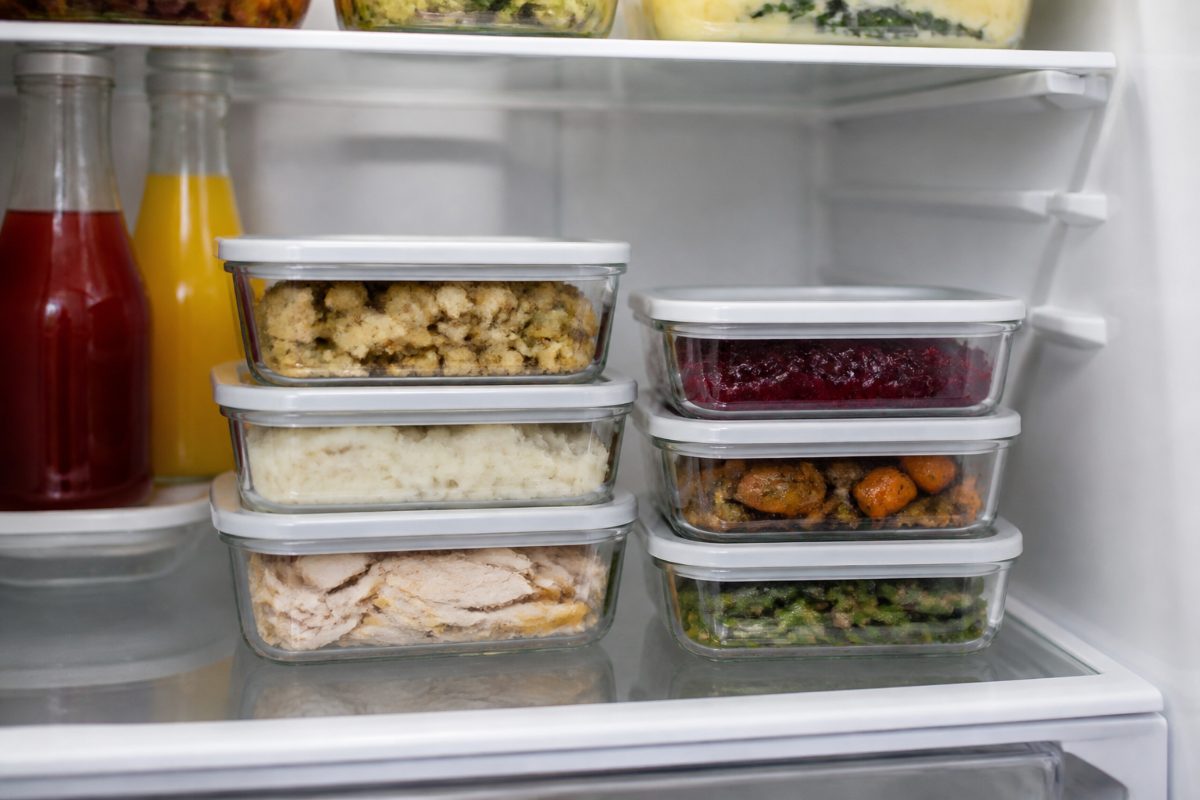
- Pack Into Shallow Containers: Divide large amounts of leftover turkey, gravy, and casseroles into shallow containers. This increases the surface-area-to-volume ratio, allowing heat to escape faster so the core cools below 40°F quickly.
- Store Immediately: Adhere strictly to the two-hour rule. Refrigerate all perishable leftovers within two hours of cooking, or within one hour if your kitchen ambient temperature exceeds 90°F.
Common Misconceptions About Fridge Settings and Cooling
Many home cooks rely on outdated habits or incorrect assumptions when handling holiday food. Knowing the facts prevents costly mistakes.
One major error is the "Dial Fallacy." Built-in refrigerator dials numbered 1 through 5 or labeled "Cold" and "Colder" do not display actual degrees. Without a dedicated appliance thermometer, you cannot know if your food is sitting at a safe 40°F (4°C) or an unsafe higher temperature. Another frequent mistake involves letting hot food sit out on the counter until it reaches room temperature. FoodSafety.gov advises against this practice; leftovers should go straight into the fridge while still warm, provided they are divided into shallow containers.
Additionally, avoid overpacking your shelves. Filling every inch blocks cold air vents and creates dangerous warm spots. Finally, never store high-risk foods like raw turkey or dairy in the door compartments, which represent the warmest area of the refrigerator due to frequent opening.
Frequently Asked Questions
Can I thaw my turkey on the kitchen counter?
No. Thawing a turkey on the counter exposes the outer layers of the meat to the danger zone above 40°F while the center remains frozen, which allows harmful bacteria to multiply rapidly.
How long does a thawed turkey stay safe in the fridge?
Once completely thawed in the refrigerator, a raw turkey remains safe to cook for 1 to 2 days before it must be prepared or discarded.
When is the absolute deadline for eating Thanksgiving leftovers?
The Monday after Thanksgiving serves as the general guideline for consuming or freezing leftovers to stay safely within the 3 to 4 day refrigerator window.
What should I do if my fridge temperature rises above 40°F?
If your appliance thermometer shows temperatures above 40°F (4°C) for more than two hours, perishable foods may no longer be safe. For specific inquiries regarding meat and poultry safety, contact the USDA Meat and Poultry Hotline at 1-888-674-6854.
Conclusion and Safety Summary
Proper temperature control remains the cornerstone of holiday food safety. Keeping your refrigerator at or below 40°F (4°C), storing leftovers within two hours, and consuming them within 3 to 4 days protects your guests from foodborne illness. Always use a reliable appliance thermometer and discard any perishable items that remain in the danger zone for too long.
References
- Are You Storing Food Safely? | FDA
- Refrigerator Thermometers - Cold Facts about Food Safety | FDA
- "Danger Zone" (40°F - 140°F) | Food Safety and Inspection Service
- Simple Food Safety Steps for Spring Holiday Meals | USDA
Information in this post was checked as of 2026-09-27. Policies and prices may change, so please verify important details with official sources.


Comments
Post a Comment